“I need to see beauty,” Giles exclaimed. It was not a typical Tuesday. We had just found out that our dear friend, who was then lying in a hospital bed, struggling for each breath, had received a grave diagnosis and prognosis. A rare form of cancer that insidiously permeated the fluid in his chest cavity which was also quickly filling his lungs. He would not be with us much longer. Our hearts were breaking.
After tearful conversations and spoken prayers that morning, the matter was settled. We were going to the Indianapolis Museum of Art (IMA) for the afternoon. Giles’ first instinct was correct– we needed to be reminded of beauty at that moment. Beholding works of art holds transcendent power for us, pointing our thoughts and hearts to the Master Artist, the Author of beauty, creativity, and inspiration. The IMA is often a sanctuary for us, reverential and calming, soothing our spirits like being in a cathedral. As we silently viewed painting after painting, we contemplated the paradox of beauty and sorrow co-existing in the same heart and expressed simultaneously. The result is a prepossessing masterpiece.
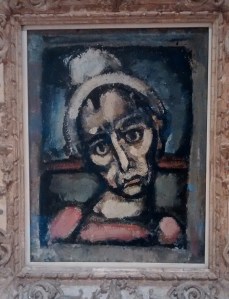
In our journey, we’ve experienced the paradox of beauty and sorrow. So many friends have taken up residence in our hearts at different times, and we will soon have to say goodbye to them, for a short time or possibly longer. The beauty in loving them (and being loved well in return) only increases the sorrow that we will feel when we part. The depth of our sorrow reflects the depth of relationship that God allowed us to experience, in some instances for an all-too-brief moment.
This turned out to be true with our friend. Yesterday, we attended his funeral. The illness that manifested rapidly took him home to Glory in what seemed an instant. Only six short months ago, he and his lovely wife welcomed us into their home to live until we move to Africa. Without hesitation, they provided us– former strangers– a place to land so that we wouldn’t have to live out of suitcases for several months. More than that, they provided us emotional and spiritual shelter during this time of transition. We nested in the light-hearted moments of laughing at our friend’s jokes that he always loved to tell, watching football and movies together, and sharing meals around their kitchen table, as well as deep conversations about faith and God that always seemed to dominate our hours together. Despite the sorrow we now feel in unexpectedly losing our friend, we wouldn’t trade those beautiful and precious moments together, no matter how fleeting.
After all, the beauty expressed through authentic relationship remains firmly rooted in our hearts, undisturbed by the sorrow that also lingers there for a time. We have found that we must willingly embrace both aspects of love– beauty and sorrow– to experience the fullness of God’s love for us through others.
Weeks before our friend was hospitalized, we watched the latest cinematic version of “Les Miserables” with him. In the final scene, Jean Valjean sings a prayer as he’s dying, imploring the Lord to bring him home. As he’s singing, his daughter, Cosette, and son-in-law, Marius, rush in and their voices join with his, begging him to stay, declaring that it’s too soon to say goodbye. Yet only Valjean can see his friends who have departed before him, imploring him, “Take my love, for love is everlasting.” As the song concludes and Valjean is welcomed into salvation by his friends, the three of them sing, “And remember the truth that once was spoken– To love another person is to see the face of God.”
We need to see beauty encircling the sorrow of loss. Our hearts were designed for both. Yet ultimately, we wear a “beautiful headdress instead of ashes” (Isaiah 61:3), the beauty of love that is eternal and everlasting.

