 Giles and I attended a spiritual retreat last weekend at Saint Meinrad Archabbey, a Benedictine monastery and seminary in the rolling hills of southern Indiana. It was a weekend of nourishment for both soul and body. (The delectable assortment of baked goods offered to us at each meal was heavenly!) We booked this retreat with friends more than six months ago, but as usual, God’s timing was perfect. We needed time away from the busyness of our Africa preparations and just life in general. Time to just be without being “on” and time to soak in the beauty of nature, art, and God’s Word.
My word for the weekend was “thirsty,” captured beautifully in Psalm 42:1: “As a deer pants for flowing streams, so pants my soul for you, O God.”
This contemplation was appropriate, as our retreat topic was “A Beginner’s Guide to Understanding the Psalms.” I have always loved reading the Psalms, perhaps because I love poetry, music, and singing. Our instructor, Father Hensell, told us that the Psalter (the collection of 150 Psalms in the Bible) is a book of poetry, written primarily to be sung in communal worship. The Benedictine order practices this discipline by praying the Psalms in plain chant four times a day during their morning, midday, and evening prayers. We were privileged to participate with the monks in these beautiful and reverential prayers throughout the weekend. I especially enjoyed the prayers invoking God’s protection and peace each evening before retiring. Father Hensell told us that this “liturgy of the hours” allows them to pray the entire Psalter every four weeks.
We gleaned so much wisdom from Father Hensell’s teachings throughout the weekend, but I wanted to share a few nuggets that particularly resonated with me. The Psalter can be difficult for many because not every passage is one of praise, thanksgiving, and gladness. Rather, some psalms convey extreme angst, disappointment with God and man, and even curses. Given these difficult passages from God’s inspired Word, it’s helpful to have a framework in which to view the Psalter as a whole.
One method of interpreting the Psalter is thematically. In classifying this collection of poems, theologian and scholar Walter Brueggeman identified the following three general themes: (1) orientation; (2) disorientation; and (3) new orientation. These three themes correspond to the stages that generally flow throughout our lives.
The psalms of “orientation” reflect periods when life is good and all is going well. These are psalms of thanksgiving and praise to a good and loving Creator. An example of this theme is Psalm 24, which begins, “The earth is the Lord’s and the fullness thereof, the world and those who dwell therein….”
In contrast, the psalms of “disorientation” reflect periods of despair and lament, the dark night of the soul. These psalms are characterized by hyperbole and exclamations of pain, fear, and doubt. Yet marvelously, these psalms often end with an affirmation of faith, surrendering absolute control once again to God. An example of this theme is Psalm 109, in which the writer laments, “They encircle me with words of hate, and attack me without cause… So they reward me evil for good, and hatred for my love.” (vs. 3-5) However, the poem ends with the writer praising God “in the midst of the throng… For he stands at the right hand of the needy one, to save him from those who condemn his soul to death.” (vs. 30-31) Another example of a psalm of “disorientation” is Psalm 22, which Jesus quoted when dying on the cross: “My God, my God, why have you forsaken me?” Yet this psalm also concludes with a prayer of gratitude and worship: “All the ends of the earth shall remember and turn to the Lord, and all the families of the nations shall worship before you. For kingship belongs to the Lord, and he rules over the nations.” (vs. 27-28)
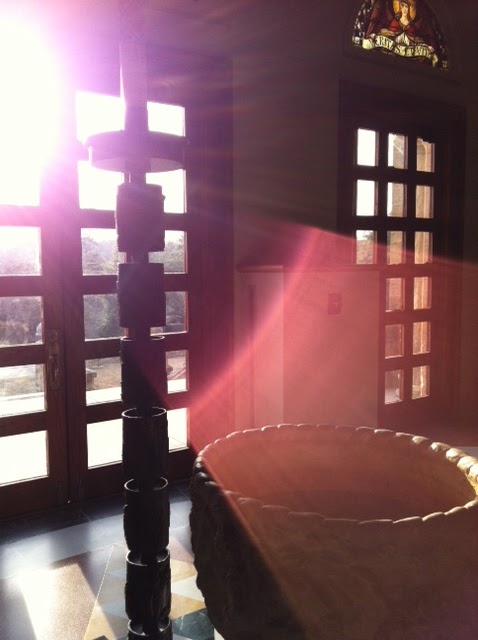 Finally, the psalms of “new orientation” reflect a re-orienting of perspective, an unexpected and surprising heart-change, a new insight about life and God. These psalms are characterized by exuberance, reflected by grandiose proclamations and exclamations. An example of this theme is one of my favorite psalms, Psalm 40, which begins: “I waited patiently for the Lord; he inclined to me and heard my cry. He drew me up from the pit of destruction out of the miry bog, and set my feet upon a rock, making my steps secure. He put a new song in my mouth, a song of praise to our God. Many will see and fear, and put their trust in the Lord.” (vs. 1-3)
I love this thematic approach to the Psalter because it demonstrates how our lives can experience genuine transformation as we walk in intimacy with our Creator. We don’t have to remain stuck in disorientation or return to an old way of orienting our lives. Rather, we can embrace a new orientation as God reveals more and more of Himself to us through each new experience that we share with Him.
Through the psalms, we can experience how God permeates every aspect of our lives. Whether good or bad moments seem to dominate our existence at the time, He is there, listening and communing with us. The Psalter shows us the richness of life, the beauty of both the Creator and His creation. These passages also demonstrate how deeply dependent we are upon God and how confident we should be that we can trust in Him no matter what circumstances we encounter in life.
The Psalter provides us with a “prayer language” that we can use to express a full range of emotions to our Abba Father. He created us for this. And it is comforting to know that God understands all of these emotions, as evidenced by the variety of speech used in His Word.
This fresh perspective on the psalms certainly encourages me, as I would encourage you, to start (or continue) praying the psalms with our hearts, not our heads. To bask in the poetry of life as we press in closer to our Father, the Lord over all.
 A Life Called to Love